An early look at PiN
My first impressions of PiN: the Guardian Spirit, a hand-drawn action platformer being built in Godot by Project Taro.
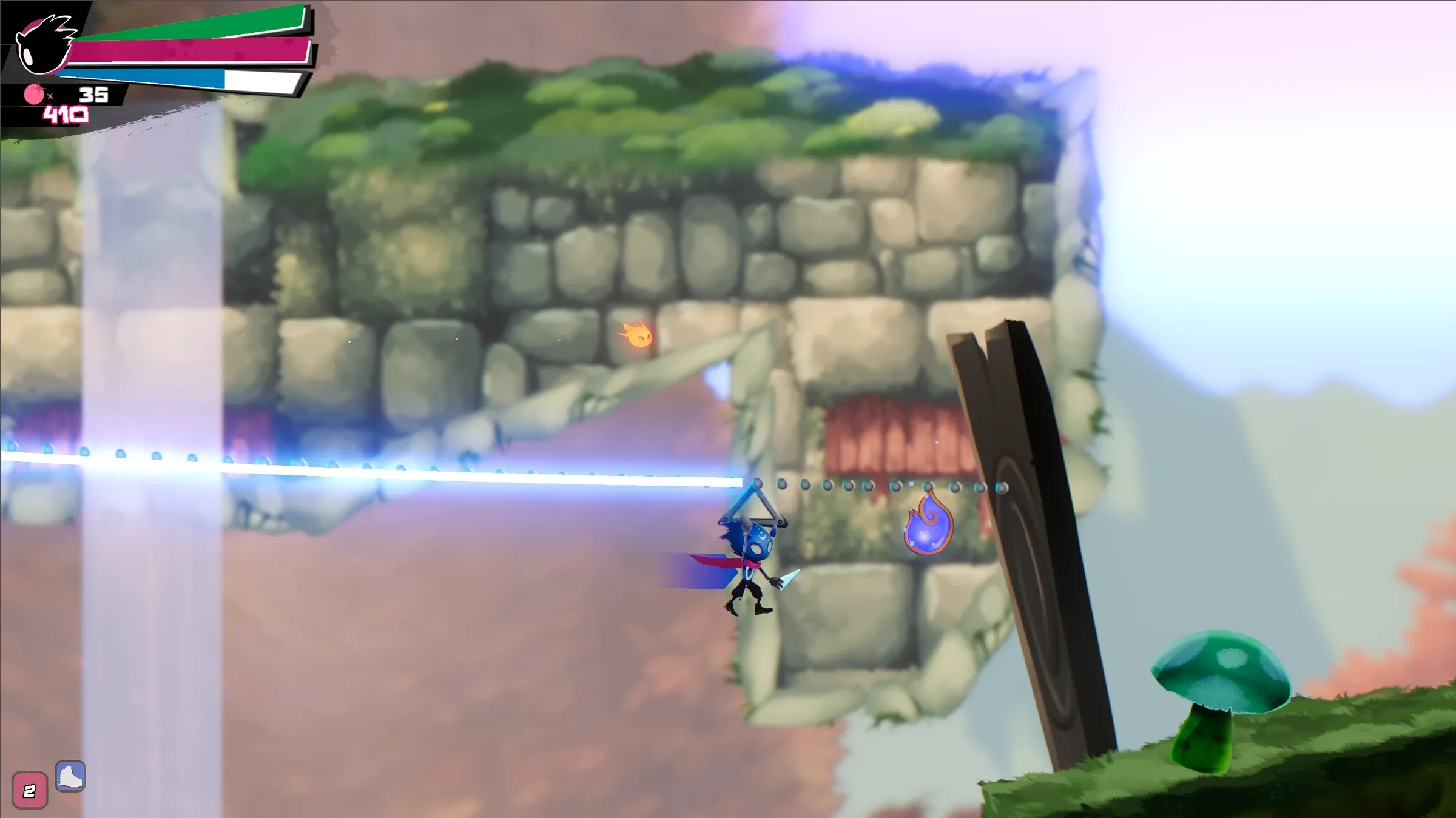
PiN has been drifting past in my Godot Forum feed for months. The artstyle kept catching my eye. The dev, lZebl, seemed to be iterating in public, which I always find very interesting. I kept meaning to try the demo, kept not getting around to it, and yesterday finally did. This is the longer version of the feedback I left them on the forum, for anyone who hasn’t run into the project yet.
This is how it describes itself on Steam: “Run, flip and smash corrupted spirits back into the light in this fast-flowing action platformer.” The full game has a list of systems that’s (at least to my knowledge) not available in the demo. Biomes with ruling Daemons. Equippable “Tags” as perks. Ghost time trials. A four-tier level taxonomy of core, challenge, special and boss. The demo gives you one of those: a single playable level. Enough to get a feel for movement and combat (which I’d argue is what matters most at this stage), not enough to judge the structure. The demo is free to download on Steam if you want to give it a spin yourself.
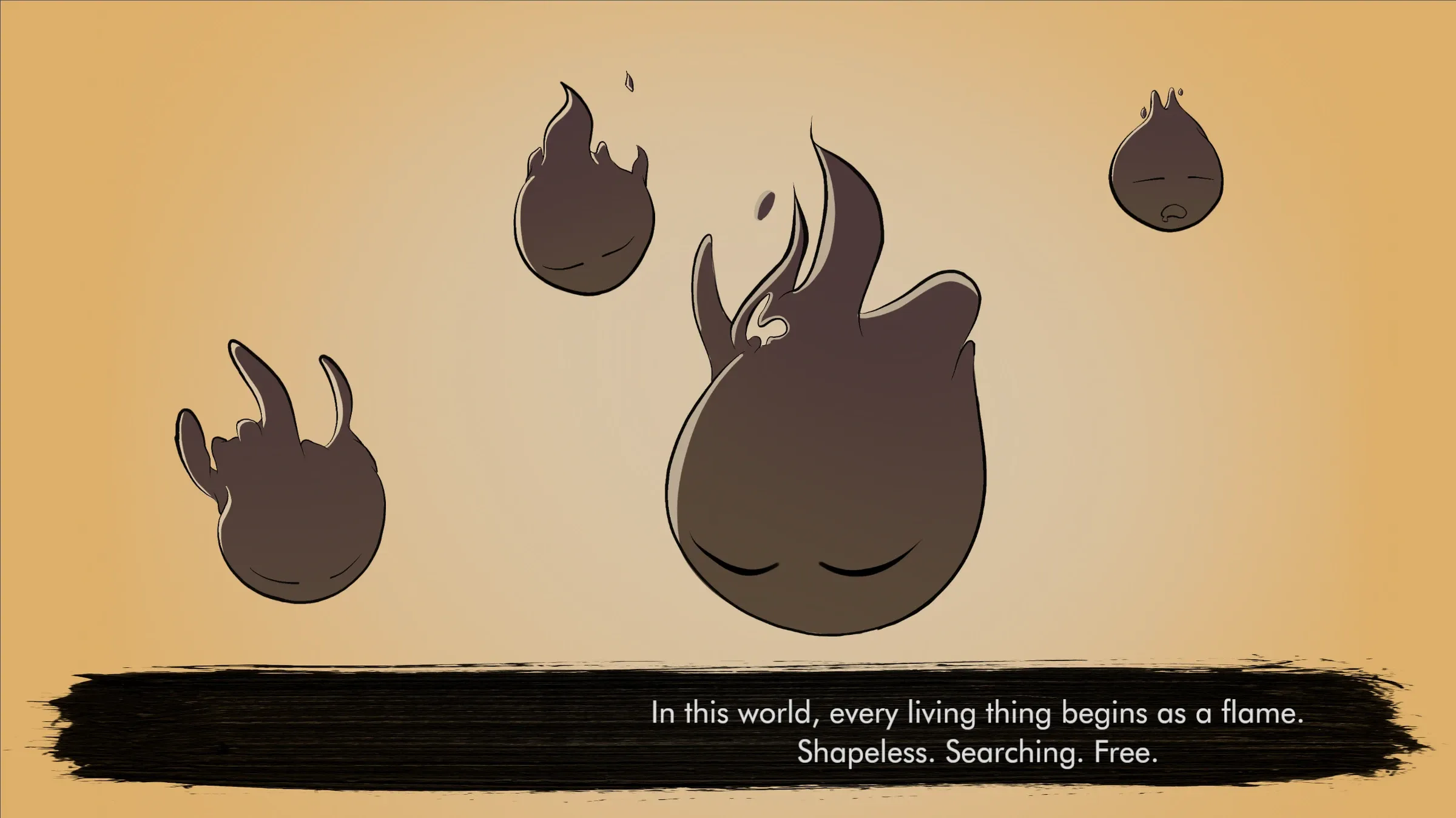
The opening cutscene plants the lore quickly: every living thing begins as a flame. PiN is the guardian spirit of the title, working to restore biomes that have fallen to corruption (each one ruled by a Daemon you’ll eventually need to defeat). He doesn’t travel alone. A small flame named Sol drifts with him, doing real mechanical work as well as narrative: the glide ability comes from Sol, and most of the demo’s airier traversal moments are the two of them working together. The wider plot stays mostly suggested at this stage. But the player-and-companion framing already gives the moment-to-moment more weight than a generic “restore the world” pitch would carry. It somewhat reminded me of Link and Navi from The Legend of Zelda: Ocarina of Time, without the annoying “Hey listen!”.
What works
The thing PiN gets right, before anything else, is movement. The runner cadence is there immediately. Not in a way that feels like a Sonic clone (it’s much more involved), but in the lower-key sense that the character has weight, the surfaces respond, and getting from point A to point B feels good in itself. This is the rare demo where you can tell the dev has spent a lot of time on the second-by-second feel, even with the level around it still finding its shape.
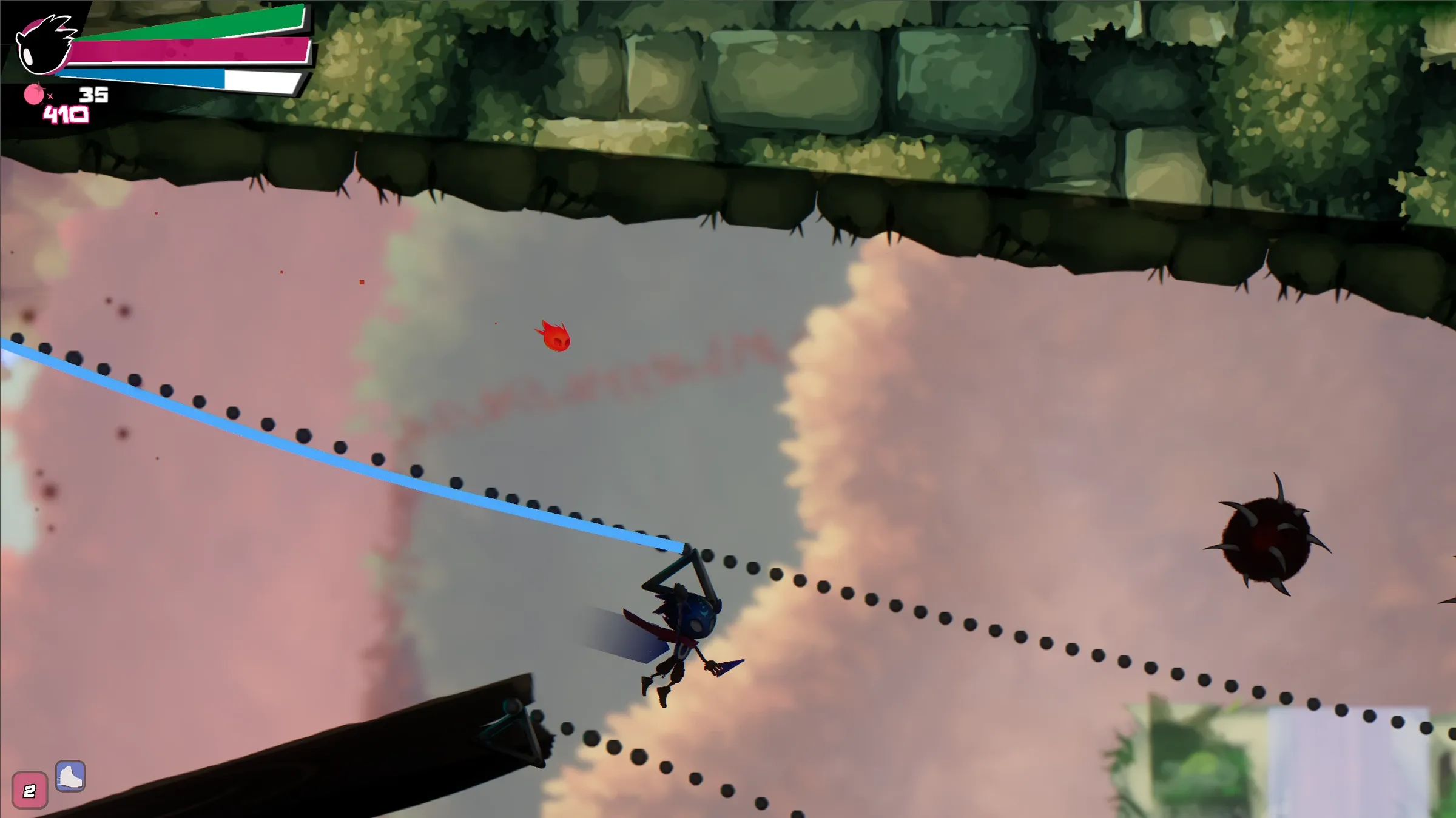
Next, the art style is captivating. Everything is hand drawn, and it shows. It seems to balance visual appeal with visual clarity very well. What I mean by that, is that the world looks detailed and interesting enough, but not too much so that you lose focus of what’s going on or where you are. There were one or two decorative objects I assumed I’d need to jump but could just walk through.
What I’d improve
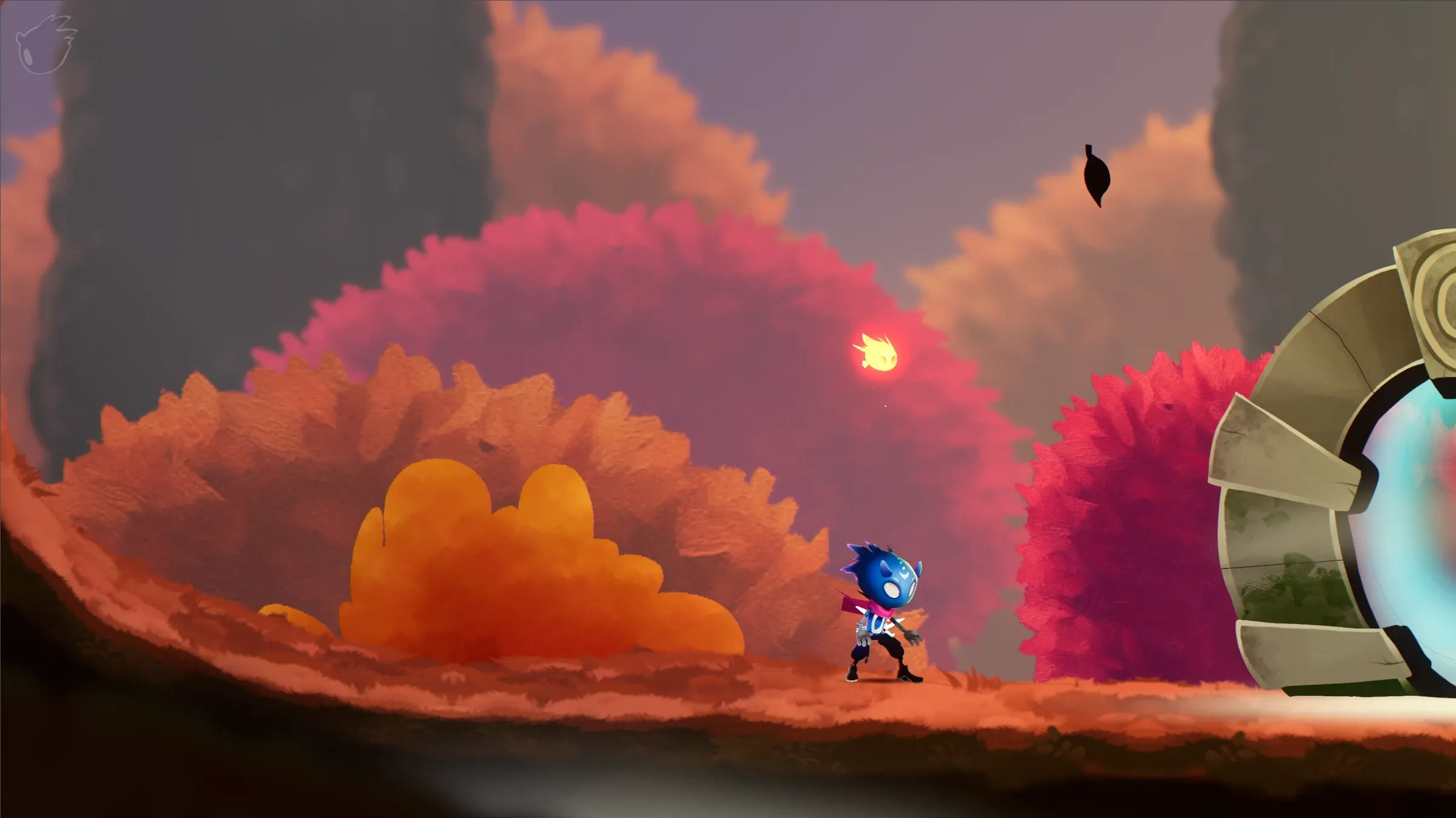
The single thing I’d raise here: the camera. When you’re moving at speed, especially through corridor-shaped levels, the camera doesn’t quite stay ahead of the character at all times. It’s especially noticeable when gliding with Sol, the small flame companion of PiN. Since you’re moving downwards (albeit slowly), the camera doesn’t seem to account for that. You end up running into things you couldn’t quite see in time. It’s the kind of issue that probably only shows up when you stop testing as the developer and start testing as a player who hasn’t memorised the level. I sent the fuller bag of smaller polish notes (keybindings, menu issues I faced, an energy system that wasn’t quite legible to me) to the dev directly on the forum. The camera made it into this post because it’s a design observation more than a bug list.
The potential
Two things keep me curious about where PiN goes from here.
First, the dev is building this game in public. A forum exchange got into character clarity against the volumetric fog: PiN was blending into the background a bit. The thread was kicked off by ComicallyUnfunny (who’s also building a cool game I might cover later, Wombo!), who flagged the issue with a Rayman side-by-side. Within a few back-and-forths, lZebl had shipped a tweak: conditional outlines, and reduced fog. That feedback-to-build loop is invigorating (and inspiring, honestly), and the kind of thing you only get from a developer who’s listening.
Second, the bigger ambitions for the project (Tags as equippable perks, ghost races against your own splits, level types that aren’t all variations of the same idea) suggest a game trying to be more than its current demo can show. I’ve seen some of it visualised in the topic, but whether all of that lands is the open question. But it’s the right kind of open question to be holding when a demo is one level long.
Try the demo
PiN is in the public, iterative middle stretch of being made. The demo, while sometimes rough around the edges, is in good shape and frequently being updated (and free, on Steam). If you like 2D platformers and can spare 15 minutes, it’s a no-brainer to give it a shot. And if you do play it, leave the dev some feedback. The link to the topic on the Godot Forum can be found here or find them on Itch. Plus, they engage and implement feedback into the game.